Quick answer: ChatGPT shopping is now about product discovery, not checkout. In March 2026 OpenAI stepped back from Instant Checkout and moved purchases back to retailers’ own sites. Products reach ChatGPT through product feeds (Shopify stores are connected through Shopify Catalog automatically), and ChatGPT decides which ones to recommend based on product data, reviews, and what the rest of the web says. Paid ChatGPT Ads exist too, but OpenAI says ads don’t influence the answers.
Key Takeaways
- Checkout moved back to your site. OpenAI ended Instant Checkout as a standalone product in March 2026 and now focuses ChatGPT on helping shoppers decide.
- Feeds make you eligible, not recommended. A product feed gets your catalog into ChatGPT, but the answer still picks which products to show.
- Shopify brands are already connected. OpenAI said Shopify merchants need no extra work for organic product data to reach ChatGPT.
- Ads and organic are separate. ChatGPT Ads can place products in shopping carousels, but OpenAI states advertising does not influence its answers.
- Comparison content wins. ChatGPT shopping is built around side-by-side comparisons, so clear specs, trade-offs, and reviews matter.
What Changed in ChatGPT Shopping
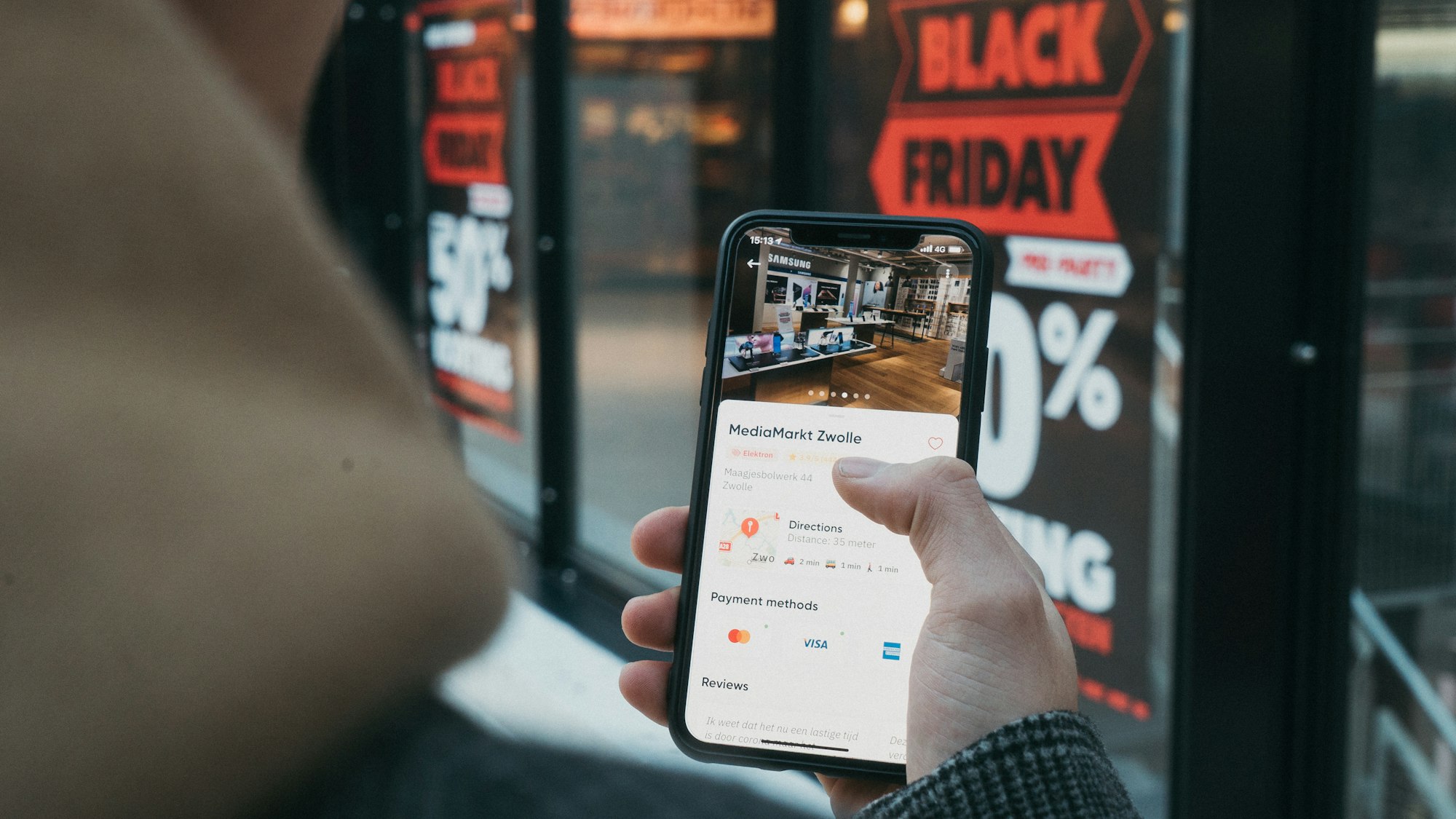
OpenAI launched Instant Checkout in September 2025, letting shoppers buy inside ChatGPT, with Etsy among the first merchants live. Adoption stayed small. On March 24, 2026, OpenAI announced it would let merchants use their own checkout experiences while it focused on product discovery. Today, when a shopper picks a product in ChatGPT, they click through and buy on the retailer’s site.
What remains, and keeps growing, is the discovery layer: visual product browsing, side-by-side comparison tables, image-based search, and conversational refinement such as “which of these is waterproof and under $150?” These features are available on free ChatGPT accounts too.
How ChatGPT Chooses Which Products to Recommend
Being in ChatGPT’s catalog and being recommended are two different things. Once your products are eligible, the answer draws on several signals:
- Product data quality: accurate titles, prices, availability, variants, and specifications. Outdated or missing data can get a product skipped or described wrongly.
- Reviews and ratings: volume, recency, and what reviewers say about specific use cases.
- Third-party mentions: roundups, comparison articles, Reddit threads, and editorial coverage that describe your products.
- Your own pages: product pages and buying guides that explain who a product is for and how it compares, in plain language AI can quote.
This is the same pattern we see across AI search: the brands that get recommended are the ones that are easiest to understand and most often vouched for elsewhere. Our guide to ChatGPT search SEO covers the web-search side in more detail.
How to Get Your Products Into ChatGPT
If you’re on Shopify
OpenAI said in March 2026 that Shopify merchants need no additional work for organic product data to reach ChatGPT, through Shopify Catalog. Your job is to make sure the catalog data is complete and accurate in Shopify itself.
If you’re on another platform
Merchants share product feeds and promotions with OpenAI through the Agentic Commerce Protocol so their catalogs are represented in ChatGPT. OpenAI’s merchant program lists applications at chatgpt.com/merchants. Feeds are pushed to OpenAI rather than crawled, accept CSV, TSV, XML, or JSON, and can be refreshed as often as every 15 minutes.
Core fields include a stable product ID, title, plain-text description, product link, image link, price with currency, availability, inventory quantity, brand, and condition, plus your return policy, privacy policy, and terms. Our product feed optimization guide covers how to make each field work harder.
ChatGPT Ads vs. Organic Recommendations
ChatGPT Ads are paid placements, and shopping carousels are one of the formats. According to PPC Land, product feeds for ads moved into OpenAI’s Ads Manager in June 2026 with support for up to one million SKUs, and a free ChatGPT Ads app for Shopify followed in September. OpenAI announced on September 16, 2026, that Shopify products flow into ChatGPT Ads through Shopify Catalog.
OpenAI’s position is that advertising does not influence the answers ChatGPT provides. So treat ads and organic recommendations as two separate channels: ads buy placement, organic visibility is earned through data quality, reviews, and mentions. Note that Ads Manager does not report how often ChatGPT recommends your products organically, so you need to track that separately.
A ChatGPT Shopping Checklist for Ecommerce Brands
- Audit your catalog data. Fill every attribute: size, color, material, dimensions, compatibility, and use case. Fix mismatched prices and stock status.
- Connect your feed. Confirm Shopify Catalog is active, or apply to OpenAI’s merchant program and set up a frequently refreshed feed.
- Write for comparison. Add “best for” statements, spec tables, and honest trade-offs to product and collection pages.
- Grow recent reviews. Ask for reviews that mention specific uses, since those details show up in answers.
- Earn third-party mentions. Pitch gift guides, roundups, and comparison articles in your category.
- Keep policies visible. Clear return, shipping, and warranty information builds trust with shoppers and AI alike.
- Track it. ChatGPT tags referral links with utm_source=chatgpt.com, so set up a GA4 view for that traffic and check key shopping prompts monthly.
How to Measure ChatGPT Shopping Visibility
Pick 20 to 30 shopping prompts your customers would ask, such as “best [product] for [use]” and “[product] under $[price],” and check them monthly. Record whether your products appear, how they’re described, and which competitors show up instead. Pair that with GA4 data on chatgpt.com referrals and their conversion rate. Our AI search visibility tracking guide compares tools that automate these checks.
Grow Your Brand in AI Shopping With National Positions
National Positions helps ecommerce brands get recommended across ChatGPT, Google AI Mode, and other AI shopping experiences, from product feed optimization to reviews, digital PR, and content built for comparison. Book a call or explore our AI search optimization services.
Frequently Asked Questions
Can shoppers still buy directly inside ChatGPT?
Not as a standard experience. In March 2026 OpenAI said it would let merchants use their own checkout experiences while it focuses on product discovery, so purchases now happen on the retailer’s website.
How do I get my products into ChatGPT shopping?
Shopify merchants are connected through Shopify Catalog with no extra work, according to OpenAI. Other merchants can share product feeds through OpenAI’s merchant program and the Agentic Commerce Protocol.
Do ChatGPT Ads help my products get recommended?
OpenAI says advertising does not influence the answers ChatGPT provides. Ads give you paid placement, while organic recommendations depend on product data, reviews, and third-party mentions.
How can I tell if ChatGPT is sending me sales?
ChatGPT adds utm_source=chatgpt.com to referral links, so you can isolate that traffic and its conversions in GA4 or your ecommerce analytics.
Sources & References
- Citedify: ChatGPT Shopping After Instant Checkout (September 2026, quoting OpenAI’s March 24, 2026 and September 2026 announcements and PPC Land)
- Digital Silk: ChatGPT for Ecommerce After Instant Checkout (October 2026)
- Clicky: ChatGPT Product Feed and OpenAI Merchants (June 2026)
- OpenAI: Publishers and Developers FAQ