Executive Summary: Google AI Overviews and Google AI Mode are distinct generative search surfaces that require separate optimization strategies. AI Overviews function as single-shot summaries embedded in standard Google search results, drawing from top-ranking organic URLs. AI Mode operates as a standalone conversational search tab built on Gemini, utilizing query fan-out to break user prompts into sub-queries that pull from deep, specialized topic clusters.
Key Takeaways
- Two Separate Products: AI Overviews extract concise summary blocks on standard SERPs, whereas AI Mode is a full-page, multi-turn conversational interface.
- Massive Search Expansion: AI Overviews expanded to cover 43% of Google search queries by mid-2026 [¹].
- Accelerating AI Mode Adoption: Monthly visits to Google AI Mode rose from 126 million in June 2025 to 279 million by May 2026, more than doubling in less than a year [²].
- The Query Fan-Out Mechanism: AI Mode breaks a single user prompt into multiple sub-queries behind the scenes, searching across subtopics simultaneously and creating citation opportunities for deep, non-ranking URLs [²].
- Rebound in Referral Traffic: Following a Google search update on May 7, 2026, web referral traffic from AI search interfaces increased from 25% in March to 60% by late May 2026 [³].
What Is Google AI Overviews?
Google AI Overviews (formerly SGE) is an AI-generated summary box embedded near the top of traditional Google search result pages. It synthesizes answers directly on the standard SERP above or alongside classic organic blue links.
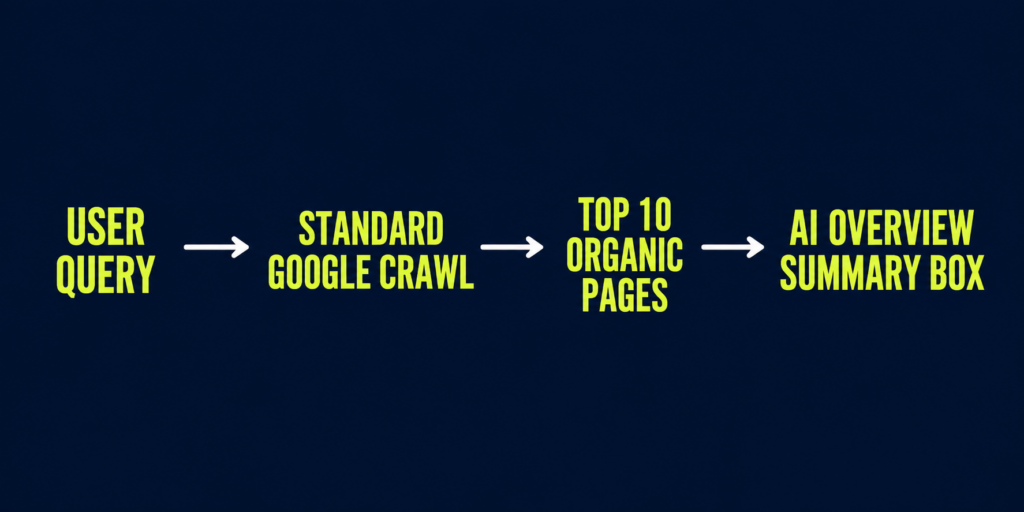
Key Extraction Characteristics:
- Single-Shot Synthesis: Responds to a single standalone query without conversational memory.
- Organic Rank Dependency: Primarily pulls from pages that already hold top-page organic rankings for the target search query [¹].
- Concise Snippet Format: Favors direct, 40-to-60-word answers positioned near the top of well-structured HTML pages.
What Is Google AI Mode?
Google AI Mode is a standalone, full-page conversational search interface accessible via its own dedicated tab adjacent to “All,” “Images,” and “Shopping.” Launched broadly in 2025 and powered by Google’s Gemini model family [²], AI Mode functions as a multi-turn, interactive answer engine.
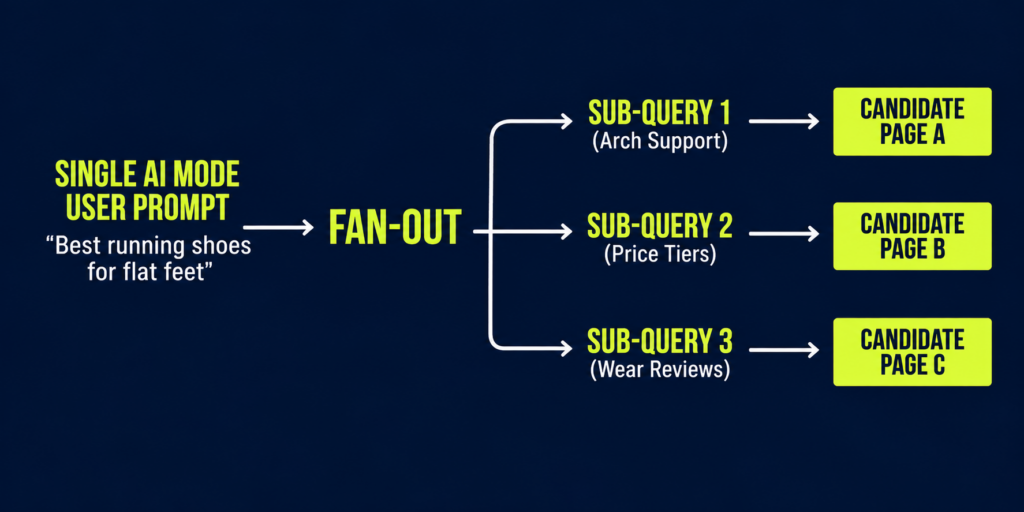
Key Behavioral Differences:
- Multi-Turn Conversational Memory: Retains thread context across follow-up questions (e.g., “Which of these are under $150?” or “Do any come in wide sizes?”).
- Query Fan-Out Execution: Deconstructs a user’s prompt into several specific sub-queries, executes parallel searches across those subtopics, and merges the findings into a single response [²].
- Deep-Cluster Citation Matching: Cites specialized, long-tail pages that answer specific sub-queries, even if those pages do not rank on page one for the primary head term [²].
AI Overviews vs. AI Mode: Side-by-Side Comparison
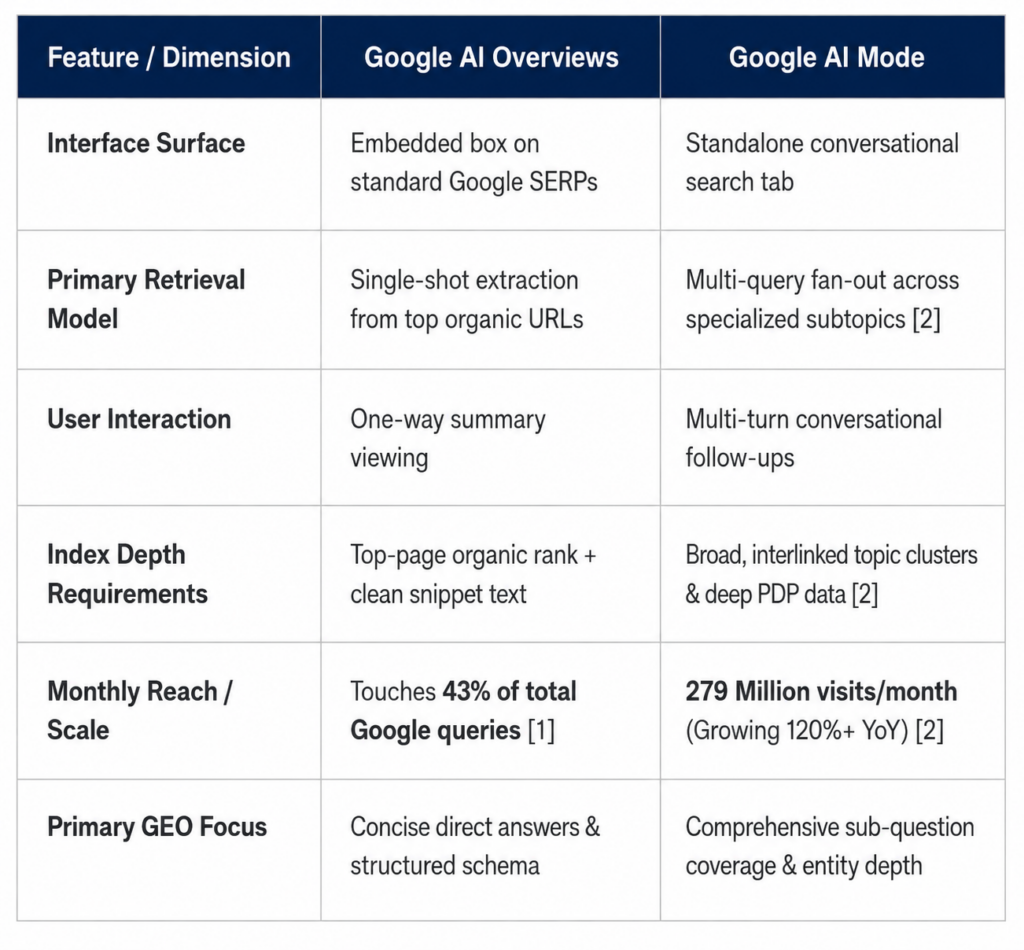
To see how Google’s AI interfaces compare against ChatGPT, Perplexity, and Copilot, explore our pillar guide on AI Search Engines Compared.
How a Page Gets Pulled Into an AI Overview
Securing citations inside standard AI Overviews aligns closely with core on-page SEO best practices:
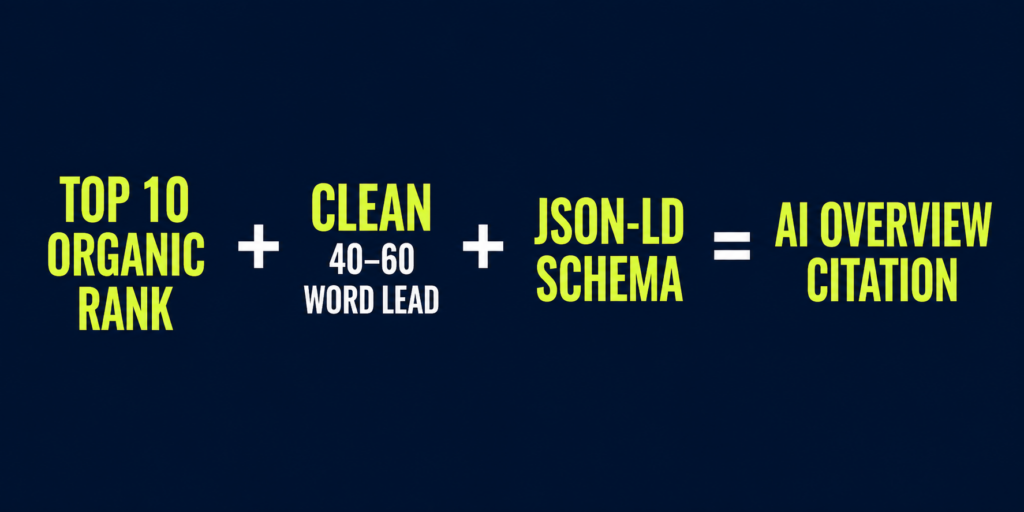
- Strong Organic Position: Pages must rank on page one or close to it for the target keyword or its immediate variants [¹].
- Direct Answer Extraction: The target question must be answered clearly in the first 40 to 60 words of the section.
- Structured Data Markup: Implement valid FAQPage, Product, HowTo, or Article JSON-LD schema to help Google’s parsers identify key factual claims.
- On-Page Structural Clarity: Clear subheadings (H2, H3), HTML comparison tables, and bulleted spec lists facilitate automated text extraction.
How a Page Gets Cited Inside AI Mode: The Query Fan-Out Effect
AI Mode’s retrieval pipeline relies on query fan-out, opening up citation opportunities for niche, deep-level content [²]
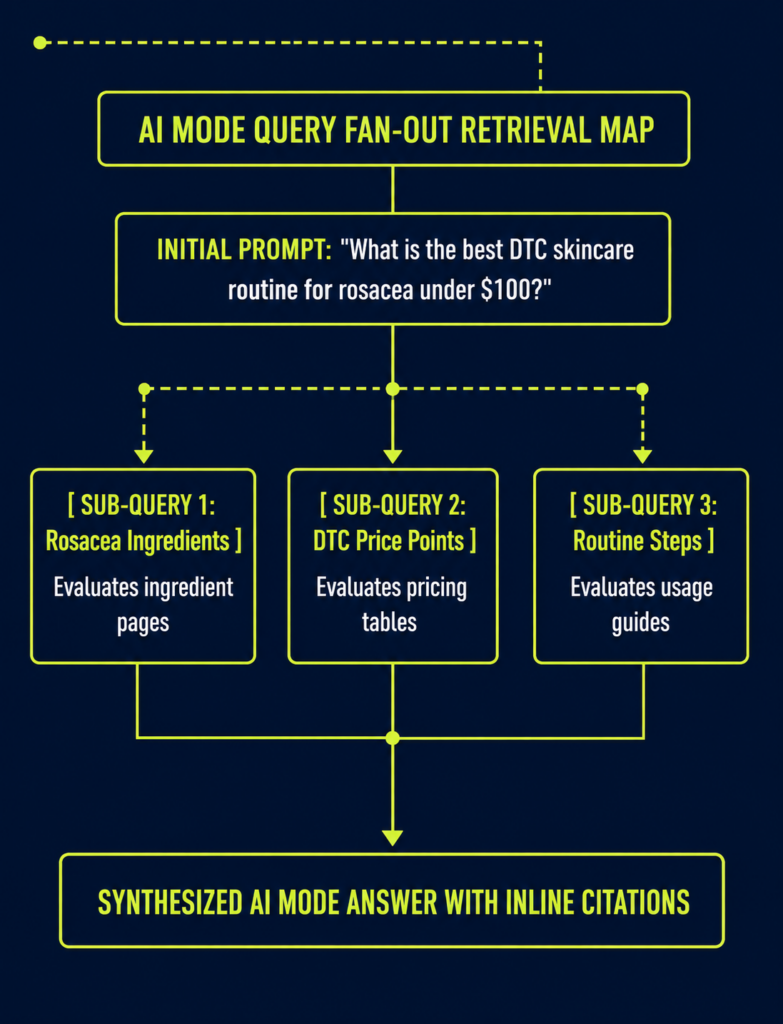
Winning AI Mode Citations Requires:
- Topic Cluster Coverage: Instead of writing a single generic article to target a head keyword, publish a hub of interlinked pages answering specific sub-questions (e.g., sizing guides, ingredient breakdowns, comparison charts, shipping policies).
- Multi-Turn Readiness: Ensure Product Detail Pages (PDPs), return policies, and FAQ hubs feature structured data, as multi-turn conversations pull from transactional pages as buyers narrow their intent.
- Factual Specificity: Pages answering single, specific sub-questions thoroughly win fan-out citations over generic “ultimate guides.”
Why AI Mode Represents the Bigger Growth Opportunity
While AI Overviews touch more total search volume today [¹], AI Mode represents the primary growth opportunity for mid-market ($5M–$50M) e-commerce and B2B brands:
- Higher Growth Velocity: AI Mode visits grew by 121% in 11 months (from 126M to 279M) [²].
- Less Competitive Saturation: Most brands continue to optimize for single-shot SERP summaries, leaving AI Mode’s query fan-out clusters under-optimized.
- Increased Referral Intent: Google updates in May 2026 increased referral traffic routing from AI surfaces up to 60% [³], converting AI Mode citations into direct website traffic.
5 Antiquated SEO Habits to Stop Immediately
- Habit 1: Writing Single Articles for Isolated Keywords: Single pages targeting broad keywords fail to capture the multi-query fan-out triggers executed by AI Mode [²].
- Habit 2: Lumping AI Overviews and AI Mode Into One Metric: Combining both surfaces into a single reporting line hides which interface drives brand citations.
- Habit 3: Ignoring Transactional & Policy Pages: AI Mode pulls from sizing charts, shipping policies, and product specification feeds during multi-turn buyer chats.
- Habit 4: Relying Exclusively on Schema Markup: Schema markup helps machines parse HTML, but cannot substitute for comprehensive, high-quality content that answers specific sub-queries.
- Habit 5: Measuring Success Purely by SERP Rank Position: Neither AI surface maps to traditional rank positions. Brands must track Citation Share-of-Voice across target query sets.
Your 30-Day Dual-Surface Optimization Action Plan
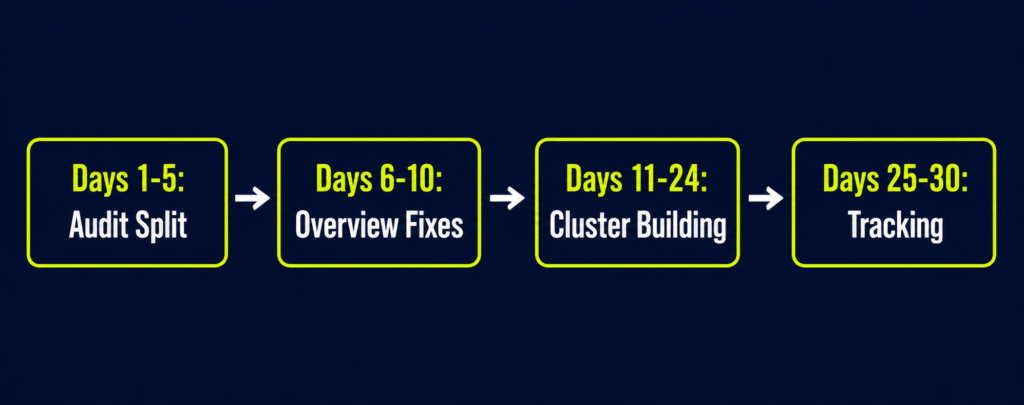
Days 1 to 5: Audit Current Dual-Surface Visibility
- Compile 20 to 30 core commercial queries for your business.
- Audit query appearances in standard Google Search (AI Overviews) versus the Google AI Mode tab.
- Document where your brand is cited and where competitors win AI Mode fan-out responses [²].
Days 6 to 10: Optimize Top Pages for AI Overview Extraction
- Add direct, 40-to-60-word answers at the top of key commercial landing pages.
- Validate and update Product, FAQPage, and Organization JSON-LD schema markup.
- Ensure target pages maintain strong traditional on-page SEO signals.
Days 11 to 18: Map Sub-Question Clusters for Core Products
- Select your top 10 revenue-generating product categories.
- Identify 5 to 8 specific sub-questions for each category (e.g., sizing, materials, comparisons, care instructions, shipping options) [²].
- Map existing site URLs to each sub-question and highlight missing content gaps.
Days 19 to 24: Publish High-Specificity Content Assets
- Build specialized, well-linked subtopic pages to address identified content gaps.
- Restructure Product Detail Pages (PDPs) to include structured technical specification tables and clear FAQ sections.
Days 25 to 30: Implement Surface-Specific Tracking
- Separate AI Overview citation tracking from AI Mode citation tracking in your reporting dashboards.
- Monitor traffic and conversion trends using the methods detailed in our guide to tracking AI search visibility across platforms.
If your team requires expert execution, our specialized AI search optimization team delivers crawler audits, content restructuring, and multi-surface tracking for growing e-commerce brands.
Partner with National Positions for Advanced GEO
Navigating Google’s evolving AI search ecosystem requires advanced technical SEO, structured data engineering, and generative content design.
National Positions provides complete Generative Engine Optimization solutions:
- 22+ Years of Search Engine Leadership: Managing digital search and analytics strategies for over 300 e-commerce and B2B brands.
- Google Premier Partner Leadership: Recognized in the top tier of performance marketing agencies globally.
- The PACE Framework: Our methodology (Plan, Analyze, Convert, Expand) grounds AI search strategies in verified revenue growth.
- First-Party Attribution via AdBeacon: Our proprietary first-party attribution platform, AdBeacon, tracks multi-touch discovery across organic, paid, and AI-driven channels.
Ready to audit your brand’s visibility across AI Overviews and Google AI Mode? Talk to National Positions to evaluate your current GEO baseline and build a surface-specific optimization strategy.
Frequently Asked Questions
Is Google AI Mode the same as Google AI Overviews?
No. Google AI Overviews is a summary box embedded inside standard Google search result pages [¹]. Google AI Mode is a separate, full-page conversational search tab that breaks queries into multiple sub-searches and supports multi-turn follow-up questions [²].
Does Google AI Mode use a different web index than standard Search?
AI Mode queries the same underlying Google web index, but uses a query fan-out process to run parallel searches across multiple sub-questions, synthesizing answers from a broader set of niche, deep-cluster pages [²].
How can an e-commerce brand optimize specifically for Google AI Mode?
Build specialized content clusters that answer specific buyer sub-questions (e.g., sizing, care instructions, ingredient lists, price comparisons) rather than relying on a single page targeting a broad keyword [²]. Ensure transactional product pages feature clean structured data.
Which surface is more important for e-commerce brands in 2026?
While AI Overviews touch more total search volume today [¹], Google AI Mode is growing significantly faster (visits grew 121% YoY) [²] and rewards content depth over traditional keyword ranking, creating a larger competitive opportunity [²].
Did recent Google updates increase referral traffic from AI search interfaces?
Yes. Following Google updates in May 2026, web referral traffic from AI search interfaces increased from 25% in March to 60% by late May 2026 [³].
Should brands use the same content strategy for AI Overviews and AI Mode?
No. AI Overviews favors high-ranking organic pages with concise 40-to-60-word lead summaries [¹]. AI Mode favors interconnected content clusters that cover every sub-question generated during fan-out searches [²].
Sources & References
- TechCrunch, “Google AI Overviews Search Coverage and Growth Data,” Reporting on Alphabet Q2 2026 Search Analytics [¹].
- Google Search Central, “Google AI Mode Visit Metrics and Query Fan-Out Retrieval Study,” Monthly Search Engine Reports [²].
- TechCrunch, “Impact of May 7, 2026 Google Search Update on AI Web Referral Rates,” AI Referral Traffic Benchmarks [³].
Related Deep-Dive Guides
- Multi-Engine Strategy: Read AI Search Engines Compared to see how Google’s AI interfaces compare against ChatGPT, Perplexity, and Copilot.
- ChatGPT Strategy: Read The ChatGPT Search Playbook to master Bing-dependent search architectures.
- AI Visibility Analytics: Read How to Track AI Search Visibility Across Platforms to measure brand citations across major AI engines.